I’m Keith Groben. Here’s a thing that drives good operators crazy: a competitor whose work is worse than yours keeps winning jobs you should have had. You know their work. You’ve fixed their work. And they’re booked.
It isn’t price. It isn’t craft. It’s that they’re easier to trust in the thirty seconds before anyone talks to you.
The check happens before the call
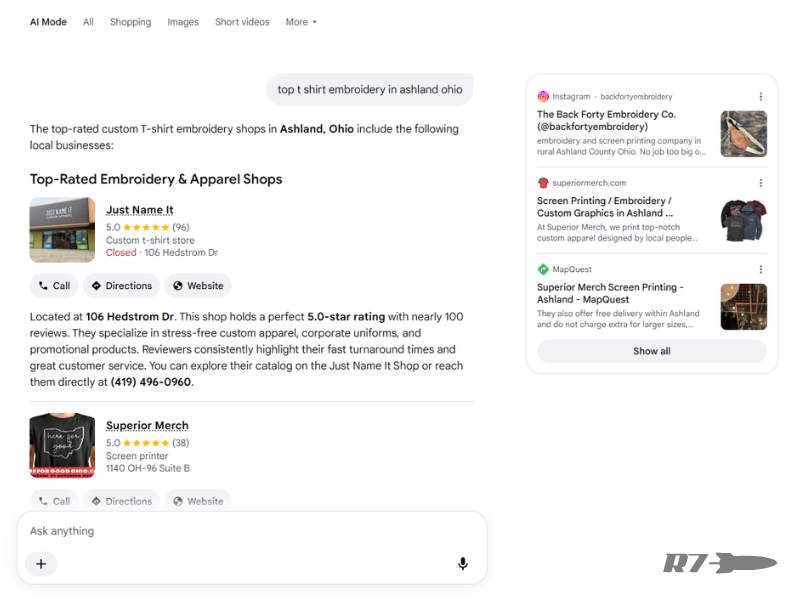
When someone needs what you do, they don’t call first. They look. They run a quick check online — a name, a profile, a website, a glance at whether the lights are on. That whole thing takes about thirty seconds, and the decision is mostly made by the time it’s over.
You never see that moment. There’s no missed call, no lost email, no rejection. The customer just quietly picks whoever looks safer and moves on. You weren’t beaten. You were skipped.
The worse operator looks like the safer bet
Here’s the part that stings. The competitor beating you usually isn’t better at the actual work. They’re better at being found and trusted at a glance. Their profile is tended. Their site loads and says what they do. They posted something this month, so the business looks alive.
You, meanwhile, do better work — and look like a gamble. The profile got set up two years ago and never touched. The site is stuck in 2022. Nothing recent. To a stranger making a fast decision, that reads as risk, and risk loses to whoever looks current. The customer isn’t comparing operators. They’re avoiding a gamble.
The better operator who stays invisible
This is the quiet tragedy I’ve watched for twenty years. The best shop in town is often the one nobody can find. The owner pours everything into the work and nothing into looking trustworthy online, because the work was supposed to speak for itself. It would — if anyone got far enough to hear it.
Your reputation is real. It just never gets a chance to do its job, because the decision ends before your reputation enters the room.
The good news: this is fixable, and it’s measurable. You can see exactly where you look like a gamble and fix the highest-leverage parts first.